GSM Explained: Choosing Fabric Weight for Hoodies, Tees and Activewear
GSM is the number brands quote most and understand least. What each weight range actually feels like, and where it makes sense to spend.
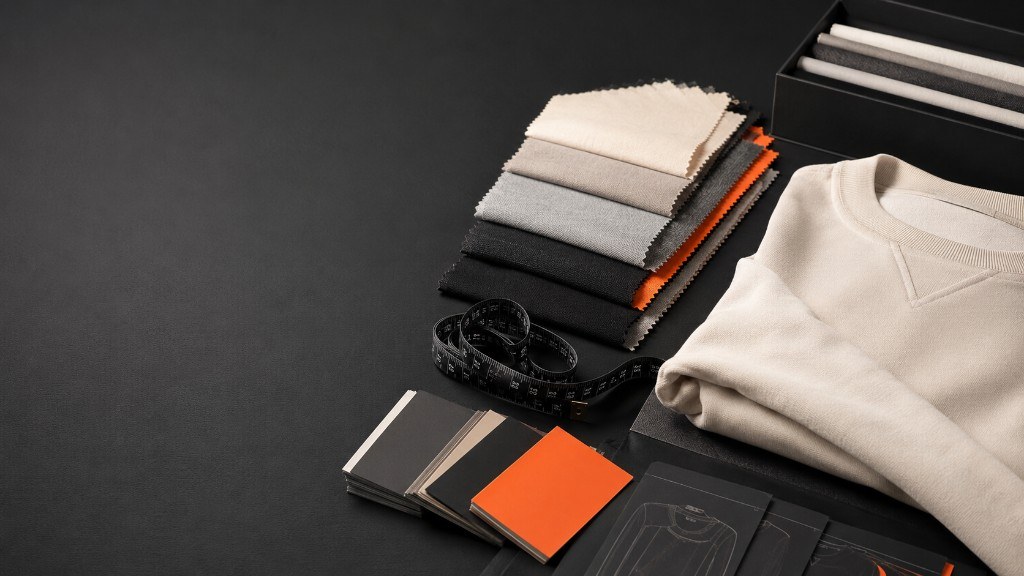
GSM stands for grams per square metre. It tells you how much a fabric weighs, and by extension roughly how substantial it feels. It does not tell you how good the fabric is — a poorly spun 300 GSM cotton will feel worse than a well-made 200 GSM one — but it is the fastest shorthand for setting expectations.
T-shirts
140–160 GSM — Lightweight. Common in promotional and event tees. Drapes close to the body and will show what is underneath in lighter colours.
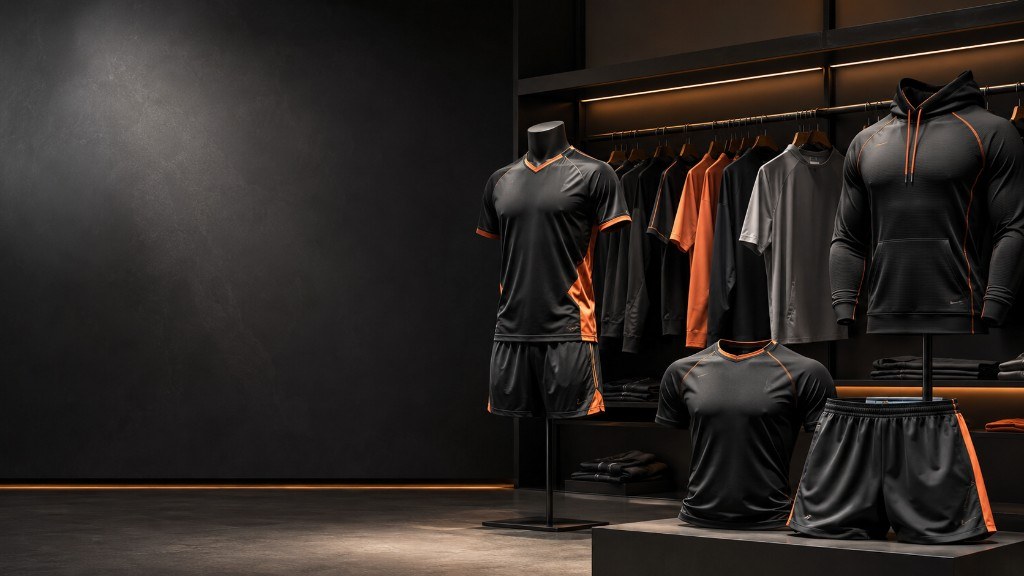
180–200 GSM — The standard retail weight. Holds shape reasonably, prints well, costs sensibly.
220–260 GSM — Heavyweight. This is where a tee starts to stand away from the body and read as a considered product. Most streetwear brands specifying "heavyweight" are in this band.
280 GSM and above — Very heavy. Impressive on the rail, but check it against your climate. In warm markets this sells poorly no matter how good it looks.
Hoodies and sweatshirts
280–320 GSM — Lightweight fleece. Suits layering pieces and warmer climates.
350–400 GSM — The mainstream sweet spot. Substantial without being stiff, and the most forgiving weight for print and embroidery.
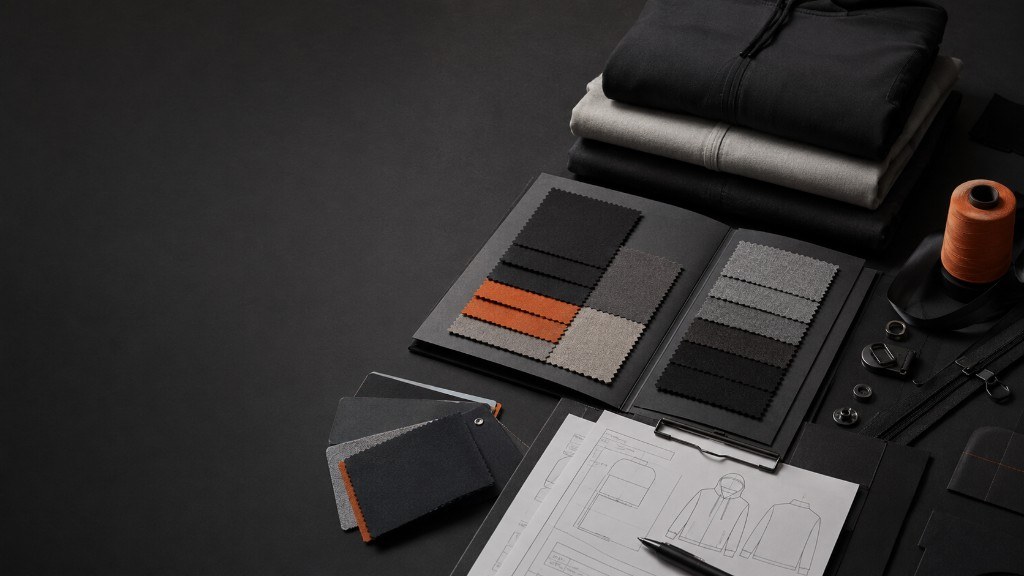
420–500 GSM — Heavyweight. Dense brushed back, structured hood, and the weight most premium streetwear brands are chasing. Expect higher fabric cost and a longer production time; heavier fabric is slower to cut and sew.
Above 500 GSM — Specialist. Achievable, but the garment becomes rigid and shipping costs climb noticeably.
Activewear
Weight matters less here than composition and construction, but as a rough guide:
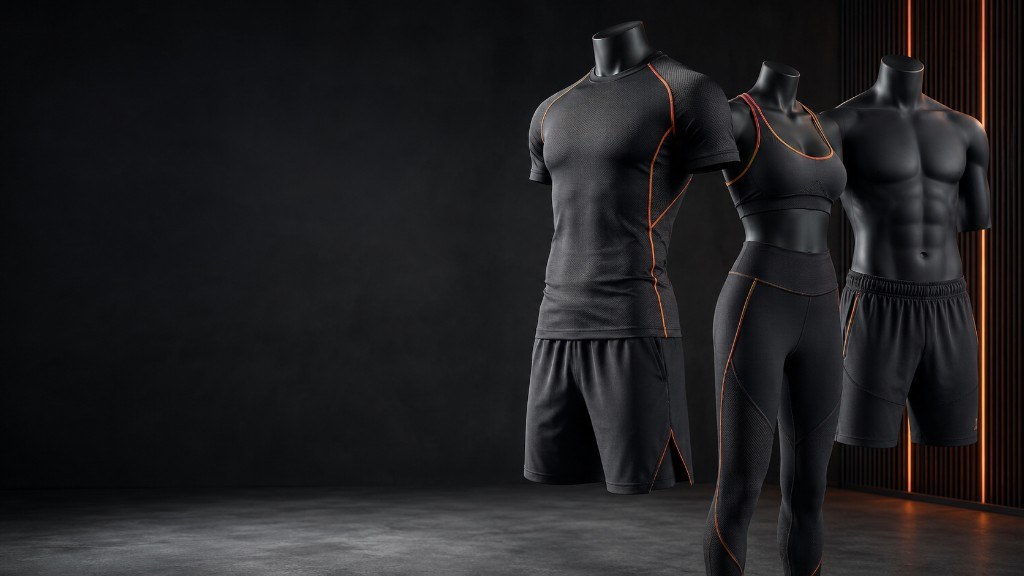
130–180 GSM — Performance tees, running singlets, lightweight shorts.
190–240 GSM — Mid-weight leggings, training tops, seamless pieces.
250–300 GSM — Sculpting leggings, compression pieces, cooler-weather layers.
For leggings, do not select on GSM alone. A 260 GSM fabric with poor elastane recovery will bag at the knee within a month. Ask for a recovery test result, and for opacity testing under stretch.
Where to spend
If your budget is fixed, put weight into the pieces where customers physically judge quality: outerwear and hoodies. A heavyweight hoodie communicates value instantly. On a t-shirt, moving from 180 to 240 GSM is noticeable; moving from 240 to 280 GSM mostly adds cost.
- #Fabrics
- #GSM
- #Product Development
Turn This Into a Production Plan
Send us your product idea, category and target quantity. Our team will reply with fabric options, indicative MOQs and a realistic timeline.