Minimum Order Quantities: Why They Exist and How to Work Around Them
MOQs are not arbitrary. Understanding what drives them tells you exactly which levers to pull when your first order is smaller than the quote assumes.
Every brand asks about minimums, and most assume the number is a negotiating position. Sometimes it is. More often it reflects a real constraint further up the supply chain.
What actually sets the minimum
Fabric mills
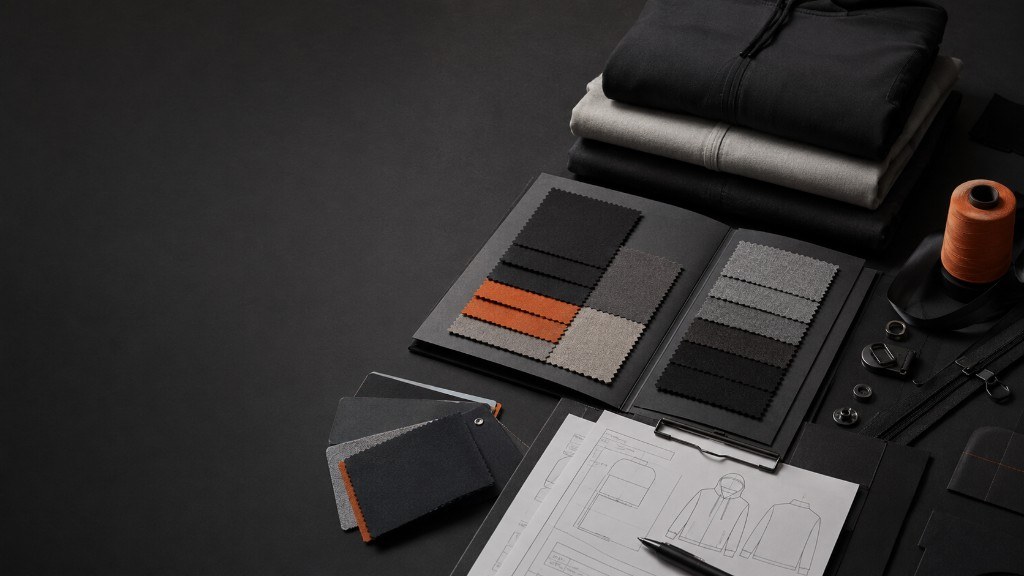
Mills have their own minimums, usually expressed in kilograms or metres per colour. If a mill will not dye less than 300kg of a colour, and your style uses 400g per unit, the fabric alone implies roughly 750 pieces in that colour. This is the single biggest driver of MOQ, and it is why stock-colour fabrics allow far lower minimums than custom-dyed ones.
Setup costs
Screens for printing, embroidery digitising, pattern grading, cutting markers. These are fixed costs paid once regardless of whether you order 50 pieces or 5,000. Spread across 50 units they may double your unit price.
Production line efficiency
A sewing line takes time to set up for a new style. Running 40 pieces through a line configured for that style is inefficient for the factory, and that inefficiency shows up in your price.
Five ways to lower your effective minimum
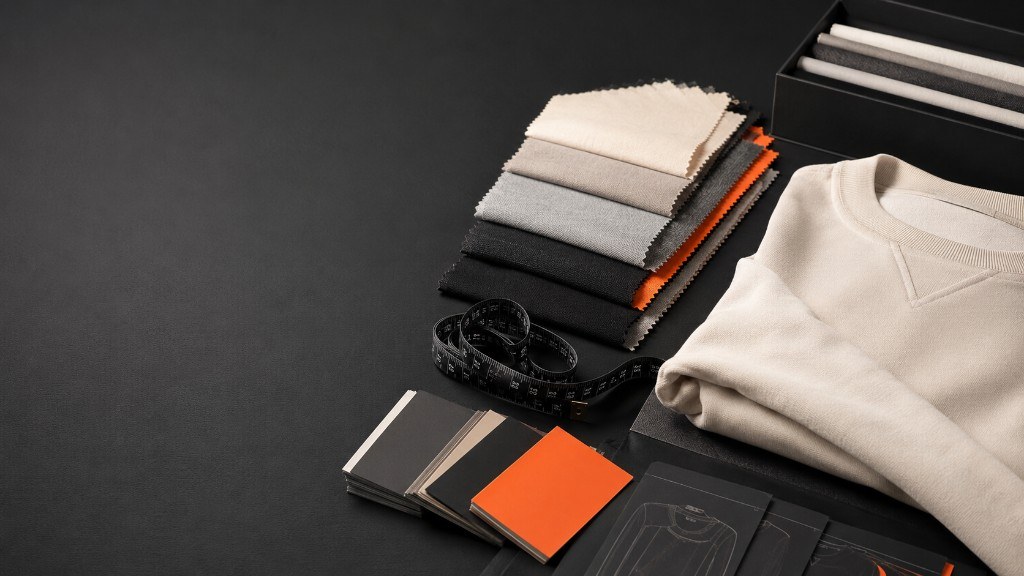
Use stock fabric colours. Black, white, charcoal and navy are usually held in stock. Choosing them can drop the fabric-driven minimum to almost nothing.
Consolidate colourways. Two colours at 100 pieces each is much easier than five colours at 40 each, even though the total is identical.
Share a fabric across styles. If your tee and your hoodie use different fabrics, you hit two mill minimums. If your tee and your long-sleeve share one, you hit one.
Simplify branding on the first run. Every additional print position adds a setup cost. Launch with one strong placement and add complexity when volume supports it.
Accept a higher unit price. This is the honest answer. Many manufacturers will produce below their standard minimum if you accept the unit economics of a short run. For a market test, paying more per unit to risk less capital is usually the right trade.
What to tell your manufacturer
Give your real quantity, not an inflated one. A quote built on 500 pieces that you then reduce to 80 has to be rebuilt from scratch, and the second number is always worse than if you had asked honestly the first time.
- #Getting Started
- #MOQ
- #Costing
Turn This Into a Production Plan
Send us your product idea, category and target quantity. Our team will reply with fabric options, indicative MOQs and a realistic timeline.